
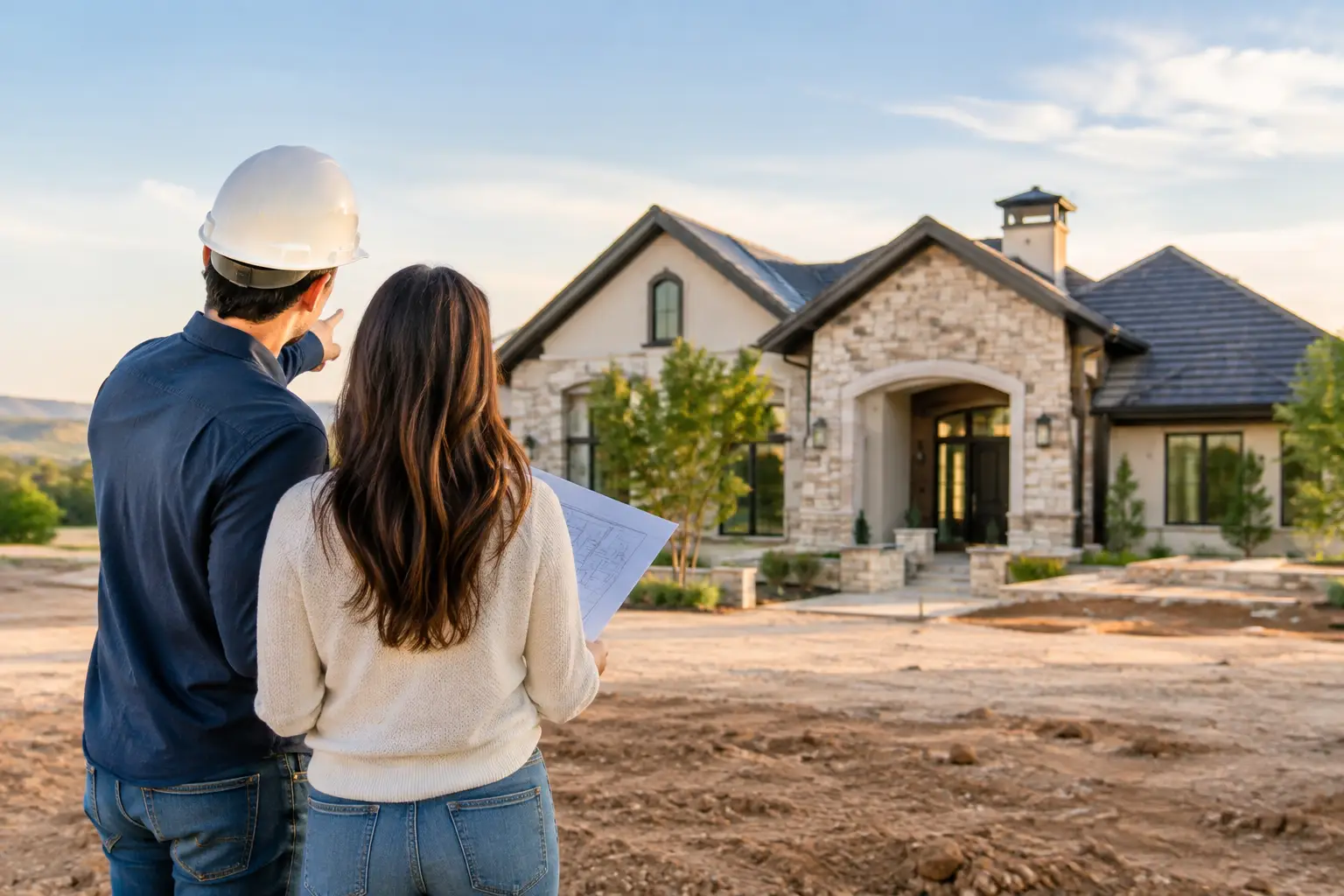
A custom home begins long before concrete is poured. It begins when someone walks your property, asks how you want to live, and gives you direct answers about what your land and budget can support. If you are wondering how to choose homebuilder support for a home on your own property, look beyond attractive floor plans and polished photos. You are choosing the person and process that will guide one of the largest decisions your family will make.
The right builder should make the path clearer, not make you feel rushed, confused, or pressured to fit your vision into a standard package. A good first conversation is not a sales presentation. It is an opportunity to see whether the builder listens, understands the realities of your property, and communicates in a way that gives you confidence.
Start With Experience Building on Private Land
Building on your own land is different from buying a home in a planned neighborhood. Your property may have slopes, drainage patterns, tree cover, utility limitations, access concerns, setbacks, or soil conditions that affect both the design and the cost of the home.
Ask prospective builders how they evaluate a homesite before design is finalized. Do they walk the property? Do they talk through driveway access, home placement, sunlight, views, septic requirements, and available utilities? Can they explain what may need to be addressed before construction begins?
A builder who is experienced with private land will not promise that every idea works exactly as imagined before seeing the site. That is not hesitation. It is honest planning. The goal is to position the home so it feels right on the land while avoiding expensive surprises later.
For property owners throughout the Brazos River Basin, local familiarity can be especially valuable. Conditions can vary significantly from one tract to the next, even within the same county. A practical property walk early in the process helps turn broad ideas into decisions grounded in the actual site.
How to Choose a Homebuilder Who Listens First
A custom home should reflect your lifestyle, not just a builder’s preferred plan. During your first meetings, pay attention to the questions you are asked. A thoughtful builder wants to know more than your desired square footage and bedroom count.
They should ask how your household uses the kitchen, whether you host holidays, where children or grandchildren will spend time, what storage is missing from your current home, and how you want indoor and outdoor spaces to connect. They may ask about work-from-home needs, hobbies, pets, future mobility, and the routines that make a home comfortable every day.
Listen for whether the conversation feels personal or scripted. You do not need a builder who agrees with every idea immediately. You need one who can explain the trade-offs clearly. A larger porch may affect the overall budget. A wall of windows may change energy performance or furniture layout. A more complex roofline may add cost without adding much practical value. Straight answers are more useful than easy promises.
At Mill Creek Custom Homes, that direct guidance begins with a conversation and property walk with Home Designer Mitchell Spiers. Having a named, accountable guide matters because custom building involves hundreds of decisions. You should know who is helping you connect those decisions to your vision, your property, and your budget.
Review the Builder’s Process Before Reviewing Finishes
Beautiful cabinetry and tile selections matter, but they do not tell you how a builder manages a project. Before you compare finish levels, ask the builder to describe their process from the first meeting through key handoff.
A clear process usually includes property assessment, budget discussions, lifestyle planning, home design, specifications, material selections, construction, walkthroughs, and closing. The exact order may vary, but the stages should be understandable. You should know when major decisions are made, who approves them, and how changes are handled.
Ask what happens after you share an initial wish list. Will the builder help align the design with a realistic investment range before plans become too detailed? Will you have support selecting materials and fixtures? How often can you expect updates while the home is under construction?
The best process is not necessarily the fastest one. A careful planning phase can feel slower at the beginning, yet it often prevents delays and difficult decisions once framing or finish work is underway. Clarity early protects both the experience and the budget.
Talk About Budget With Specificity
A builder should be comfortable discussing money without vague language. That does not mean every cost can be fixed before the home is designed and the site is fully understood. It does mean the builder should help you distinguish between the home itself, site work, utility connections, permits, allowances, upgrades, and owner-requested changes.
Ask what is included in the initial estimate and what is not. If certain selections are represented by allowances, ask what those allowances are based on and whether they match the quality level you expect. A low allowance can make an early number look appealing while creating disappointment when it is time to choose materials.
It is also wise to ask how change orders work. Changes are sometimes necessary, especially when homeowners see spaces taking shape and want to refine an idea. The concern is not whether changes are allowed. The concern is whether the cost and schedule impact are documented and approved before the work moves forward.
A trustworthy builder will help you prioritize. If a custom pantry, durable flooring, or a better-designed primary bath matters more to your family than extra square footage, that should shape the plan. Building well is not about putting every possible feature into one home. It is about investing where your family will feel the difference for years.
Look for Clear Communication During Construction
Custom homebuilding has moving parts. Weather can affect schedules. Materials may require lead time. Inspections happen at specific stages. Questions can arise when plans meet real-world conditions. No builder can eliminate every variable, but they can communicate responsibly when one appears.
Ask who will be your point of contact during construction and how updates are shared. Will you receive regular progress reports? Who answers questions about selections or field decisions? If an issue comes up, how quickly will you be informed?
Personal communication is especially valuable when you are building a permanent home rather than a speculative investment. You should not have to chase answers or wonder whether your priorities were lost between the design meeting and the jobsite. The builder’s responsiveness before a contract is signed is often a useful indicator of what the relationship will feel like later.
Verify Quality, Credentials, and Warranty Protection
Photos can show style, but completed homes and customer conversations can reveal how a builder performs over time. Ask to see examples of homes similar in scale, architectural character, or lifestyle features to what you are considering. Look beyond the obvious focal points. Notice trim detail, cabinetry fit, exterior materials, transitions between spaces, and the way the home sits on the property.
You can also ask practical questions about quality control. How are walkthroughs handled? What is reviewed before closing? What happens if something needs attention after you move in?
Warranty coverage deserves a direct conversation. Understand what is covered, for how long, and who stands behind the protection. A 10-year structural warranty, such as coverage backed by Homes of Texas RWC, can provide meaningful reassurance, but homeowners should still ask for the details and understand their responsibilities for maintenance and reporting concerns.
Choose the Relationship, Not Just the Proposal
Two builders can offer homes with similar square footage and very different experiences. One may give you a lower initial figure but leave broad questions unanswered. Another may spend more time learning about your land, explaining constraints, and helping you make choices with confidence. The right option depends on your priorities, but do not mistake a quick quote for a complete plan.
Before making a commitment, consider whether you feel heard. Can the builder explain the next step in plain language? Are they candid about what they know, what still needs to be evaluated, and where costs can change? Do you feel comfortable bringing up concerns?
Your home should feel personal from the first property conversation, not only after the final selections are installed. Choose a builder who treats your questions with respect, your land with care, and your vision as something worth building around.