
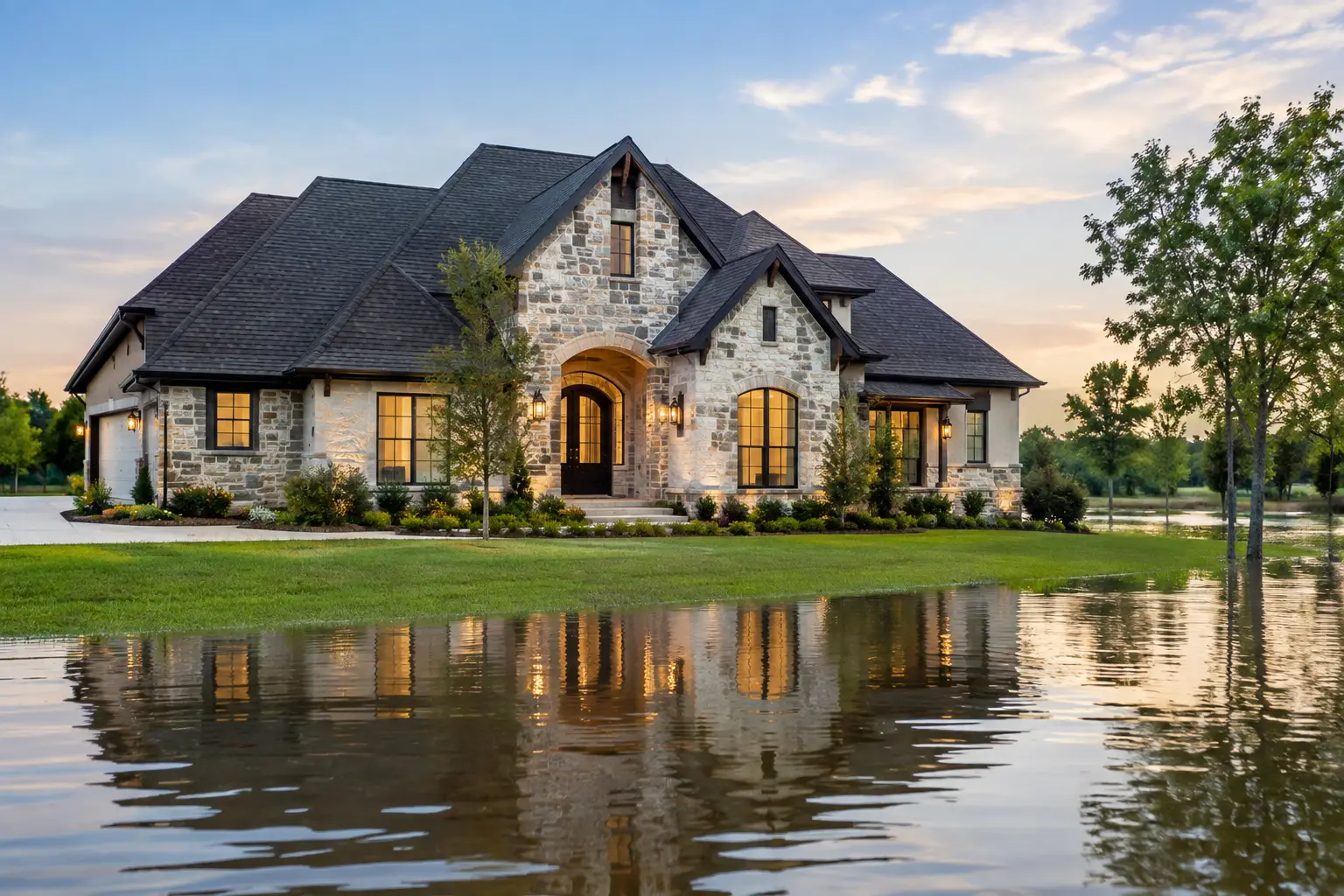
A beautiful piece of land can check nearly every box – mature trees, room for a porch, privacy, and the right location – then reveal one complication during due diligence: part of it sits in a mapped floodplain. If you are asking, “can I build in a floodplain?” the short answer is sometimes. The better answer is that the property, the flood zone, the local rules, and the planned home all need to be evaluated before you commit to a homesite or a floor plan.
A floodplain designation is not automatically a deal-breaker. Across the Brazos River Basin and other parts of Texas, many desirable rural properties include floodplain acreage. But it does mean the home needs more thoughtful site planning, a realistic budget, and clear coordination with the county, engineer, surveyor, lender, and insurer.
Can I Build in a Floodplain in Texas?
In many cases, yes, provided the build meets applicable floodplain-development requirements. A floodplain is land that may be inundated during certain flood events. It is not the same thing as saying the land floods every year, or that every portion of the tract carries the same risk.
The key question is usually whether the proposed home site is inside a mapped Special Flood Hazard Area, often shown on flood maps as a zone beginning with A or V. These maps provide a starting point, not the whole story. Map boundaries can be broad, property elevations vary, and drainage patterns on the ground may look different from what a map suggests.
A property walk and a current survey help turn a broad map designation into useful building information. On a larger tract, it may be possible to place the house, driveway, septic system, and utility equipment outside the mapped area while preserving the lower ground for pasture, trees, or open space. On another property, the workable building area may be limited or may require elevated construction.
The answer also depends on whether the site is in a floodway. Floodways are generally the most restricted portions of a floodplain, where water is expected to move during a flood. Building there can be prohibited or require a level of engineering and permitting that changes the project substantially. Never assume that a buildable-looking clearing is a buildable homesite.
Start With the Land, Not the House Plan
A custom home should respond to the property, especially when flood risk is involved. Choosing a plan first and trying to force it onto the land can lead to avoidable redesigns, added fill costs, or a house elevation that feels disconnected from the site.
Before design decisions become too fixed, confirm the tract boundaries and review the available flood map information. A topographic survey can show elevations across the property, while a licensed engineer can help identify the base flood elevation and the appropriate finished-floor elevation where required. The local floodplain administrator can explain which permits and standards apply to that address.
This early work also helps answer practical questions that matter to everyday living. Where will water naturally drain after a heavy Texas rain? Can the drive reach the home without crossing a low area? Is there enough room for septic, wells, drainage features, and outdoor living areas? Can the home be positioned to capture the view without putting critical equipment in harm’s way?
At Mill Creek Custom Homes, that is why the conversation starts with your property and your goals. A thoughtful property walk can identify opportunities and constraints before selections, square footage, and exterior details begin driving the budget.
Elevation Is More Than a Permit Requirement
When construction is permitted in a floodplain, the finished floor may need to be elevated above the base flood elevation, sometimes with additional freeboard required by the local jurisdiction. Freeboard is extra height above the minimum flood level. It can add cost, but it also creates a margin of safety beyond the baseline requirement.
How a home is elevated affects its appearance, access, and daily use. A raised foundation can mean more steps, longer ramps, added retaining or grading work, and careful planning for the front entry, garage, and porches. On the right site, though, elevation can be integrated into the architecture rather than treated as an afterthought.
The foundation approach depends on the property and the engineering. Some homes may use piers or columns, while others may require an elevated slab or another engineered system. Enclosures below an elevated home are often restricted because solid walls can obstruct floodwater flow. If enclosed space is allowed, it may require properly designed flood openings and may not be usable as finished living space.
Utilities deserve the same attention. Electrical panels, HVAC equipment, water heaters, generators, and other critical systems should be located or protected according to applicable requirements. A well-designed home does not merely lift the living room above the risk. It considers the systems that make the home comfortable after the storm has passed.
Budget for the Whole Site, Not Just the House
Floodplain construction can be more expensive than building on a straightforward upland homesite. The additional cost may come from surveying, civil or structural engineering, permitting, elevation certificates, a raised foundation, driveway design, utility placement, drainage work, and flood insurance.
That does not mean every floodplain lot is a poor financial decision. A property with a smaller affected area and a naturally higher building pad may be very manageable. A lower-cost tract can also lose its advantage quickly if the only viable house location requires major engineered work.
Ask for site-related costs to be discussed separately from the base home budget. This makes the trade-offs visible. You may decide that a smaller footprint, a different garage location, or a revised driveway gives you a better result than trying to preserve every feature of an early concept.
If financing is involved, flood-zone status can affect the lender’s requirements. A federally regulated lender may require flood insurance if the home is in a Special Flood Hazard Area. Insurance availability, premiums, and coverage should be discussed early, rather than becoming a closing-week surprise.
Flood Maps Matter, but So Does On-the-Ground Evidence
Flood maps are essential, yet they are not a promise that land outside a mapped high-risk zone will never flood. Major rain events, overflowing creeks, blocked culverts, and poor local drainage can affect areas beyond a mapped boundary. Conversely, a portion of a mapped property may sit well above the anticipated flood level.
Talk with neighbors when possible. Ask where water has reached during major storms, how long roads remain impassable, and whether drainage has changed after nearby development. Look for signs such as low-water crossings, debris lines on trees, erosion, standing water, or undersized culverts.
This information should inform the plan, not replace professional review. A neighbor may have valuable firsthand experience, but floodplain determinations, elevations, and permits need to come from the proper local and licensed professionals.
Questions to Answer Before You Buy or Build
A floodplain property can be a good fit when the answers are clear. Before moving forward, make sure you understand these four points:
- Where is the mapped floodplain and floodway in relation to the proposed home, drive, septic area, and utilities?
- What finished-floor elevation, foundation design, permits, and engineering will be required?
- What will the site work, insurance, and long-term maintenance add to the overall investment?
- If a major storm occurs, can your family safely access the property and can the home recover well afterward?
There is no value in minimizing the risk, and there is no need to assume the worst without facts. The right property may offer plenty of buildable ground, a sensible path for drainage, and room for a home designed around your lifestyle. Another tract may call for a different homesite, a different plan, or a decision to keep looking.
The best next step is a straightforward land review before you fall in love with details that may not fit the site. With the right information early, you can make a calm, confident decision about whether that piece of Texas land can become the home you have been picturing.