
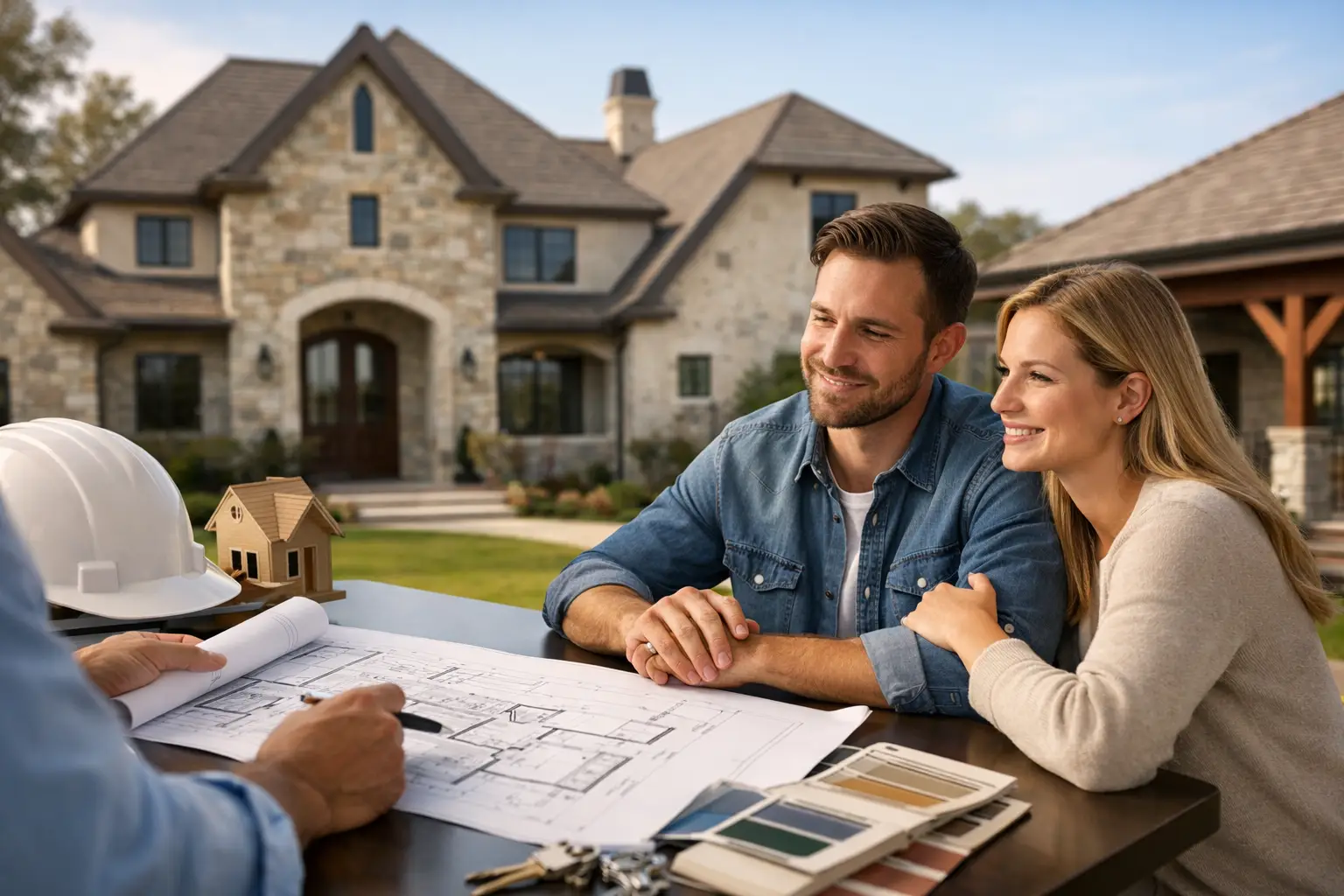
A custom home should fit the property beneath it as naturally as it fits the people who live there. That is why choosing a Navasota custom home builder is about more than comparing floor plans or looking at finished kitchens. It is about finding a partner who can see what your land makes possible, ask the right questions early, and help you make sound decisions before construction begins.
For families building a permanent home in Grimes County or the surrounding Brazos River Basin, the stakes are real. You may be planning for growing children, long weekends with family, a quieter retirement, or simply a home that finally works the way you do. The right builder brings structure to that vision without turning the experience into a sales script.
Start With the Land, Not the Floor Plan
A beautiful home plan can look entirely different once it meets a real property. The drive approach, tree cover, drainage, utility access, soil conditions, easements, setbacks, and changes in elevation all affect where a home can sit and what it may cost to build.
That is why a property walk should happen early. A builder who takes the time to walk your land can help you think through practical questions: Where will guests arrive? Which views are worth framing? Where does the afternoon sun hit? Is there room for a future shop, pool, guest space, or garden? How will rain move across the property?
These conversations influence more than the homesite. They can shape the orientation of porches, the location of a primary suite, the amount of site work required, and the type of foundation or driveway your project needs. On a wooded lot, preserving the right trees may be a priority. On open acreage, privacy and sun exposure may lead the conversation. There is no universal answer, which is exactly why the builder’s local, property-specific guidance matters.
What a Navasota Custom Home Builder Should Do First
Before discussing decorative finishes, a good custom builder should help establish the framework for the project: your property, priorities, budget range, and lifestyle. Those four pieces need to work together.
Your initial conversations should feel practical and personal. Explain how you live now and what you wish worked better. Maybe you need a kitchen designed for frequent entertaining, a large pantry that keeps daily life organized, a mudroom that can handle boots and backpacks, or a covered porch where your family can gather year-round. Perhaps you want separate spaces for a home office, aging parents, hobbies, or visiting grandchildren.
A thoughtful builder turns those needs into design direction. That does not mean agreeing to every idea without question. Sometimes a larger footprint increases site costs or pushes a project beyond the intended investment. Sometimes moving square footage from a formal room to a better laundry, storage area, or outdoor living space creates more value for your daily routine. Straight answers are more helpful than vague promises.
Look for a clear path from vision to construction
Custom building involves many connected decisions. The process should be understandable, even if the home itself is highly detailed. You should know when the builder will evaluate the land, develop the plan, establish specifications, make selections, begin construction, and prepare for closing.
Ask who will be your point of contact throughout those stages. A dedicated, accountable person can prevent details from getting lost between design conversations and field decisions. At Mill Creek Custom Homes, Home Designer Mitchell Spiers remains involved from the first property walk through the completed build, providing direct guidance rather than handing homeowners from one unfamiliar contact to another.
That continuity can make a meaningful difference. A person who understands why you chose a particular layout, window placement, or porch configuration is better equipped to keep the project aligned with the original vision.
Budget Conversations Need Specificity
Custom homes do not have one fixed price because properties, plans, materials, and finish levels vary widely. Still, you deserve a realistic early conversation about where the budget is likely to go.
The home itself is only part of the total project. Depending on the property, a budget may also need to account for clearing, grading, driveway work, utilities, septic, well requirements, permitting, engineering, and other site-related needs. These items are not reasons to avoid building on your land. They are reasons to understand the land before making final commitments.
Inside the home, priorities also matter. Cabinetry, countertops, windows, appliances, flooring, tile, fixtures, ceiling details, and outdoor living areas all influence the final investment. The goal is not to eliminate choices. It is to make them with a clear understanding of their effect.
A reliable builder helps distinguish between decisions that are difficult to change later and those that can be adjusted over time. Properly locating the home, creating the right room layout, planning storage, and allowing for future additions are foundational. Some decorative elements can be upgraded later if needed. This approach keeps the conversation focused on long-term livability, not just the first impression at closing.
Pay Attention to How Selections Are Handled
Selections are where a custom home begins to look and feel like yours. They are also where homeowners can feel overwhelmed if the process lacks direction.
A builder should guide you through choices in a sensible sequence, helping you connect design preferences with everyday use. For example, the right kitchen is not simply about choosing a cabinet color. It is about how many people cook at once, where groceries land after a trip to town, whether you host holidays, and how much storage you truly need.
The same is true for bathrooms, lighting, flooring, and exterior materials. A timeless choice for one homeowner may not suit another. You may prefer a warm, traditional exterior that belongs on acreage, while another family wants cleaner lines and a more contemporary interior. A custom process should have room for both, while still considering maintenance, durability, and the character of the property.
Clear communication matters here. Homeowners should understand what is included in the specifications, what choices remain open, and when decisions need to be made to keep construction moving. Good guidance creates confidence without taking ownership of the home away from you.
Evaluate Craftsmanship and Protection Together
Finished photos can tell you a great deal about a builder’s design range, but they are only one part of the decision. Ask about the construction process, quality expectations, communication during the build, and what happens after you receive the keys.
You want a builder who respects the visible details and the work behind the walls. Trim, cabinetry, tile, paint, and exterior finishes matter because you see and use them every day. Foundation work, framing, mechanical planning, and structural accountability matter because they protect the home over time.
Warranty coverage is worth discussing directly. A 10-year structural warranty, such as the coverage backed by Homes of Texas RWC for Mill Creek Custom Homes projects, provides another layer of reassurance for a significant long-term investment. It should complement careful construction and responsive service, not replace either one.
Choose the Relationship, Not Just the Rendering
A rendering may help you picture the finished home, but it cannot show how a builder will respond when a site question arises, a selection needs clarification, or a decision requires a trade-off. Those moments reveal the real working relationship.
During early conversations, notice whether you receive direct answers. Does the builder ask about your land and your routines before steering you toward a solution? Are they comfortable discussing budget realities? Do they explain options in plain language? A custom home is personal, and the process should feel that way too.
Building on your own property gives you the opportunity to create a home with a genuine sense of place. Bring your questions, walk the land with someone who knows what to look for, and give yourself the space to make decisions that will still feel right years after move-in day.