
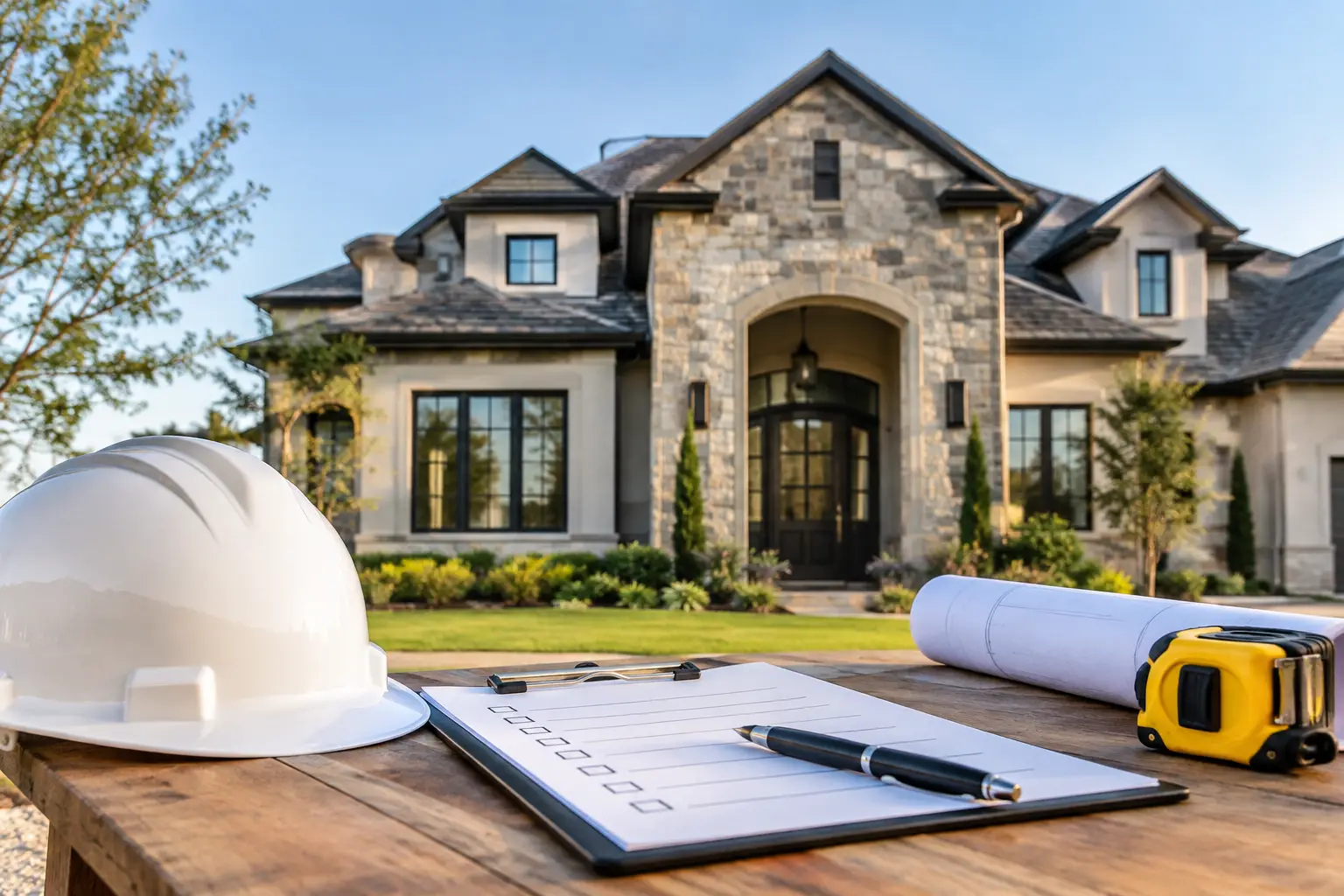
A beautiful home can be drawn on paper in a few weeks. Building that home successfully on your Texas property requires much more: honest site information, a workable budget, clear decisions, and the right guidance at each stage. This Texas homeowner construction checklist helps you prepare for the conversations and choices that shape the finished home long before construction begins.
For homeowners building a permanent residence, preparation is not about checking boxes for the sake of it. It is how you protect the vision you have for your property, your daily routine, and the investment you are making.
Texas homeowner construction checklist: start with the land
Your property should guide the home plan, not the other way around. Before falling in love with a layout, walk the land with your builder and look closely at how it will live. The best homes take advantage of a view, shade, privacy, natural drainage, and the practical path from the road to the front door.
Confirm the basics early: legal access, deed restrictions, utility availability, septic requirements, floodplain considerations, and the location of easements. In rural and semi-rural parts of Texas, those details can affect where the home sits, how much site work is needed, and what is realistic for the budget.
Soil conditions matter, too. A property with significant slope, poor drainage, expansive soils, or a long utility run may require more planning than a level lot near existing services. That does not mean the property cannot support your home. It means the home, foundation approach, driveway, and site budget need to respond to the conditions honestly.
Bring a current survey if one is available, along with any existing well, septic, utility, or flood information. If you are still considering land, ask for a property walk before committing. Straight answers at this point can prevent expensive revisions later.
Set a complete budget, not just a house price
A custom-home budget should include more than the cost per square foot of the home itself. The total project investment often includes land preparation, clearing, driveway work, utility connections, septic or well systems, engineering, permits, and allowances for the finishes that matter to you.
Start by separating your must-haves from your nice-to-haves. A large covered porch, a working pantry, custom cabinetry, a dedicated home office, and a well-designed mudroom may all improve daily life. But each decision has a cost, and priorities help your team invest in the features you will value most for years.
It also helps to discuss financing and timing before design is too far along. Some owners plan to use a construction loan, while others have a different funding arrangement. Either way, a realistic budget creates better design conversations. It is far easier to adjust square footage, rooflines, or material selections on paper than after pricing is complete.
Leave room for the items that are hard to predict until the site is fully evaluated. Texas weather, soil movement, changing material costs, and property conditions can all influence a project. A thoughtful contingency is not wasted money. It is breathing room for responsible decisions.
Design around the way you actually live
A custom home should reflect your habits, not just a collection of photos. Think through a normal weekday, a holiday gathering, and a rainy afternoon when everyone is home. Where do bags, boots, and laundry land? How many people cook at once? Do guests need a private bedroom and bath? Does the family gather around the kitchen island, the back porch, or a media room?
Share those answers before the plan is finalized. They influence room sizes, storage, circulation, window placement, and the relationship between indoor and outdoor spaces. A kitchen can look impressive and still feel frustrating if the pantry, refrigerator, and work zones are not planned around your routine.
Your architectural preferences belong in the conversation as well. Whether you prefer a warm Texas traditional home, a clean contemporary profile, or a more relaxed ranch style, the exterior should fit both your taste and the property. Materials, roof pitch, porch depth, and window proportions all work together. The goal is not to follow a trend at any cost. It is to create a home that feels right when you pull into the drive ten years from now.
Make selections with purpose
Selections are where a plan becomes personal, but they can also become overwhelming when they are left until the last minute. Establish the big picture first: exterior style, cabinet direction, flooring tone, countertop preference, fixture finish, and the level of detail you want in trim and tile.
Then work from permanent decisions toward easier-to-change ones. Flooring, cabinetry, countertops, roofing, windows, and plumbing layouts are all long-term choices. Paint colors and decorative lighting can be adjusted more easily, although they still deserve coordination.
Ask to see how selections work together rather than choosing each item in isolation. A sample that looks good under showroom lighting may read differently beside your cabinetry or in natural light. Consider maintenance as well as appearance. A busy family may prefer durable flooring and forgiving countertop materials, while a homeowner who loves to entertain may prioritize a statement island or expanded outdoor kitchen.
Document decisions and allowances clearly. If a selection exceeds an allowance, understand the difference before it is ordered. Clear communication protects the budget and keeps the construction schedule moving.
Prepare the property before construction starts
Before crews mobilize, confirm what needs to happen outside the home footprint. This may include clearing, erosion control, temporary power, a construction entrance, staking the house location, and arranging septic, well, or utility work. The sequence depends on the property and local requirements.
You will also want to decide what stays protected during construction. Mark trees you want preserved, identify fences or structures that require care, and discuss access routes for heavy equipment. Construction is active work, so reasonable expectations matter. A build site will not look finished while it is becoming finished.
Keep a practical plan for communication. Know who your primary point of contact is, how selection approvals will be handled, and when you will receive updates. At Mill Creek Custom Homes, that relationship begins with a property-specific conversation, not a generic sales script. Having a named guide through design and construction makes it easier to raise a question while it is still easy to solve.
Stay engaged during the build without getting overwhelmed
Your role is not to manage subcontractors or inspect every board. Your role is to make timely decisions, communicate changes clearly, and stay connected to the progress of your home. Scheduled walkthroughs provide the right opportunities to see key milestones and ask questions about what comes next.
Pay particular attention to decisions before they become difficult to change. Confirm electrical locations before drywall, review cabinetry layouts before production, and make sure plumbing fixtures, appliances, and specialty items are selected on schedule. A delayed selection can hold up work that depends on it.
Changes are sometimes necessary. Perhaps you notice an opportunity for additional storage, or a site condition calls for a different solution. The trade-off is usually cost, timing, or both. Ask for the implications in writing, then decide based on the value the change brings to your life in the home.
Keep your own project file with plans, approved selections, change documentation, warranty information, and contact details. It is useful during construction and valuable after move-in when you need to identify a finish, appliance model, or paint color.
Plan for closing, warranty, and life after move-in
As the home approaches completion, prepare for the final walkthrough with a practical eye. Test doors, windows, fixtures, appliances, and major systems. Review how to operate equipment, care for materials, and submit any remaining items for attention. A final list is normal. What matters is that it is documented and addressed through a clear process.
Ask for all closing materials, including warranty information, manuals, and maintenance guidance. A new home still benefits from regular care, especially in Texas conditions where heat, storms, drainage, and soil movement deserve ongoing attention. The right structural warranty adds confidence, but routine observation and maintenance remain part of responsible ownership.
Your checklist is not meant to make building feel complicated. It gives you a way to move forward with confidence, knowing your vision, your property, and your everyday life are being considered from the first walk of the land to the moment you receive the keys.